
Malfunction forces world’s largest nuclear reactor to shut down
RT

There isn’t enough information in this report to say with any certainty, but I would suggest this is a strong candidate for space weather induced electrical malfunction.
The date of the initial malfunction during testing correlates roughly with the Earth-facing X class flare that struck about 5 days ago. The subsequent failure alert also coincides pretty well with the severe geomagnetic storm that struck a couple of days afterwards.
Electrical surges, short-circuits and sensor failures are exactly the type of problems we anticipate during these space weather events.
Read the full article here
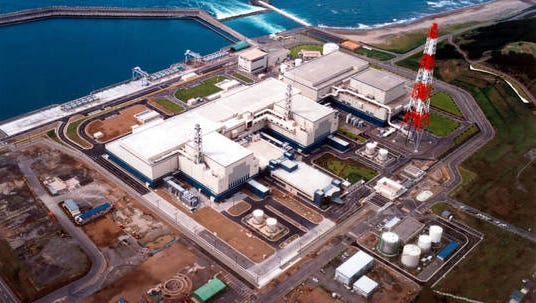
Japan’s Kashiwazaki-Kariwa nuclear plant, the world’s largest, was shut down a day after restarting, the operator Tokyo Electric Power Company Holdings (Tepco) has said, citing a malfunction in the control rod monitoring system.
In March 2011, a powerful earthquake and an ensuing tsunami caused meltdowns at Japan’s Fukushima Nuclear Power Plant, also operated by Tepco. It was the most devastating such incident since the 1986 Chernobyl disaster in the Soviet Union. The Japanese government subsequently decided to take all 54 of the country’s commercial nuclear plants offline for maintenance and structural review. However, in recent years, the authorities in Tokyo moved to reactivate the idled nuclear power plants in a bid to stabilize energy prices.
On Thursday, the company said it was shutting down a reactor at the Kashiwazaki-Kariwa facility. According to the operator, Unit 6 was restarted on Wednesday after 13 years offline only for a control-rod operation monitor alarm to go off the following day. Attempts to fix the safety system failed, forcing the precautionary shutdown. Control rods are used to adjust nuclear reactions at power plants.
“The investigation is currently ongoing, but as it is expected to take time to determine the cause, we decided to temporarily shut down the plant on January 22nd to inspect the affected section,” Tepco stated.
The plant also faced alarm problems during a final test last Saturday, delaying the restart by a day. Japan’s Nuclear Regulation Authority said that the reactor is stable and no safety issues have been detected, local media reported.